
Before and after. Channel by channel.
Every case below shows the account state before we touched it. Numbers are broken down by channel, spend window, and conversion event — not rolled into a single revenue claim.
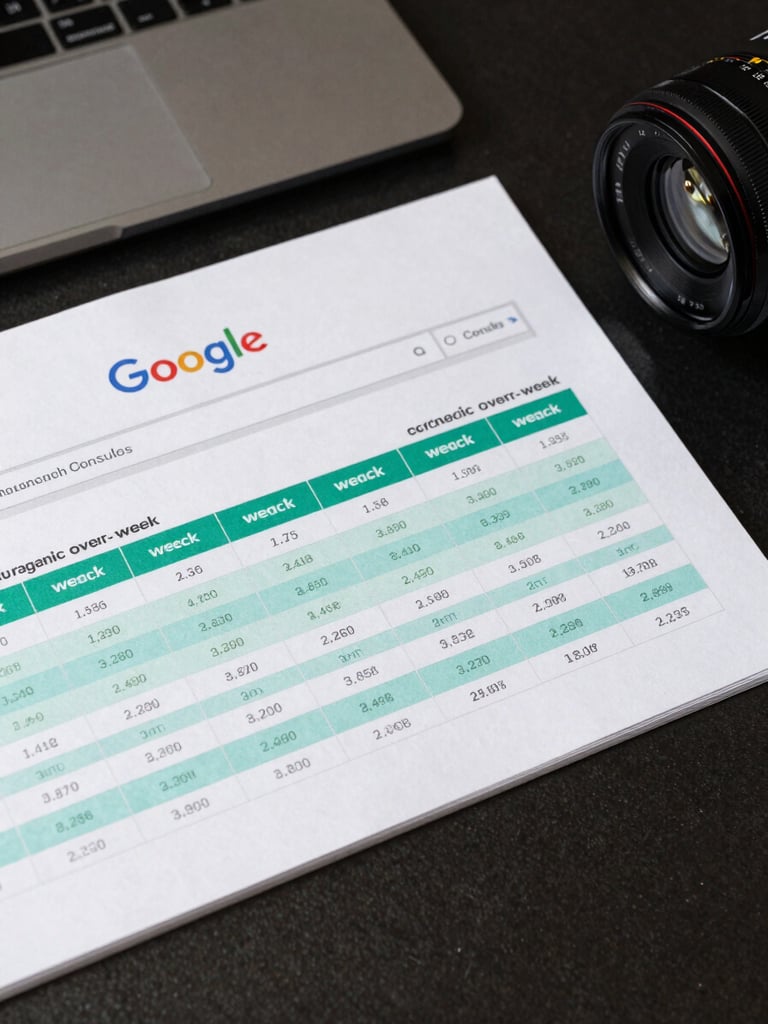


Organic clicks: 310/mo → 2,140/mo
Before: a regional HVAC company with 47 indexed pages, zero structured data, and 14 duplicate title tags across service pages. Ranking for zero commercial-intent queries.
After 9 months: technical audit resolved first, then page-level content rebuilt around 23 target queries. Conversion-tracked calls from organic rose from 4/mo to 31/mo.
Constraint: domain was 8 months old at start. First 4 months moved technical metrics only. Ranking velocity was slower than a site with existing authority.
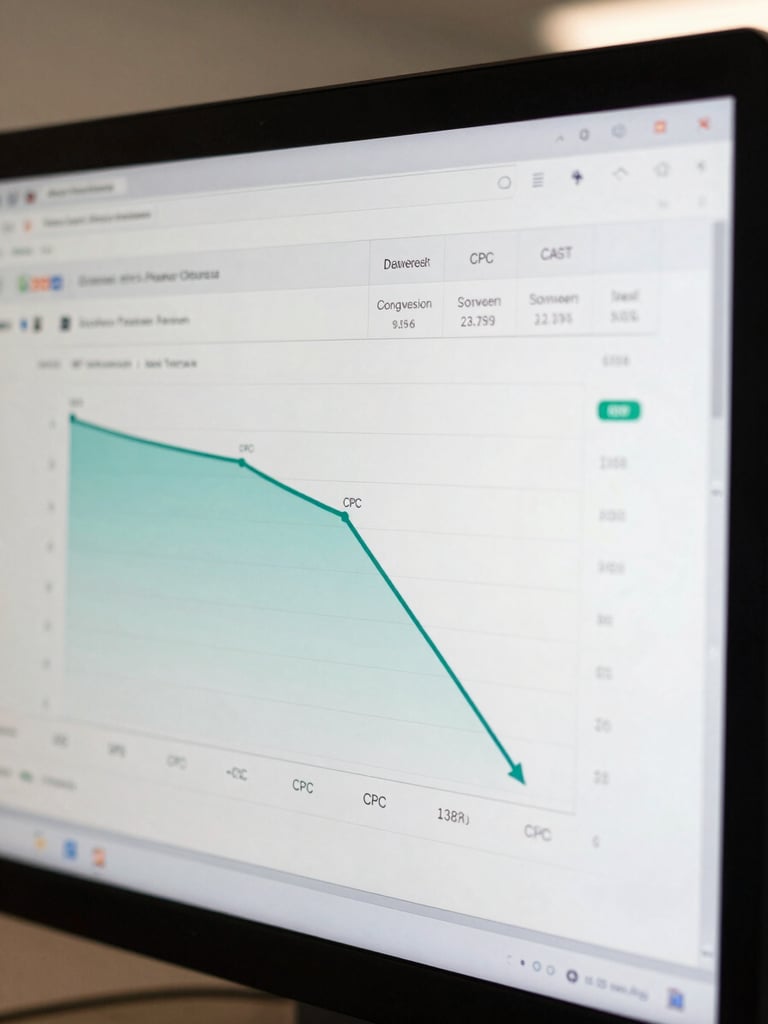
Cost per lead: $94 → $31. Same budget.
Before: a legal services client running broad-match keywords against a landing page with no form above the fold. Click-through rate was 6.2%; conversion rate was 0.9%.
After: keyword pruning to exact and phrase match, dedicated landing pages per practice area, and a form repositioned above the fold. Conversion rate moved to 4.1% in 6 weeks.
Constraint: Quality Score on branded terms was artificially suppressed by a previous agency's broad-match spend. Recovery took 3 billing cycles before auction position normalized.
ROAS 1.4× → 3.8× over 90 days.
Before: an e-commerce client spending $4,200/mo across three broad interest audiences with one creative set. ROAS was 1.4× — below breakeven after fulfillment costs.
After: audience rebuilt around purchase lookalikes and retargeting windows of 7 and 14 days. Creative split by funnel stage. Spend held flat; ROAS reached 3.8× by day 90.
Constraint: iOS attribution changes reduced reported conversion data by roughly 30%. Actual ROAS was modeled from revenue reconciled against the platform number.
Modest results stay in. Constraints get named.
We don't filter cases by outcome. When a campaign underperformed, the constraint is documented — budget ceiling, attribution gap, competitive auction, or a landing page we couldn't touch.
Spend periods, conversion events, and channel isolation are stated for every case. No blended numbers. No quarter-over-quarter smoothing that hides a bad month.
Bring your numbers. We'll bring ours.
An audit call starts with what you're currently spending, on which channels, and what a conversion is worth to you. We go from there.